
Favorite Equipment for Demolition Service Professionals
Explore the most popular and effective products used by demolition experts to deliver top-quality results.
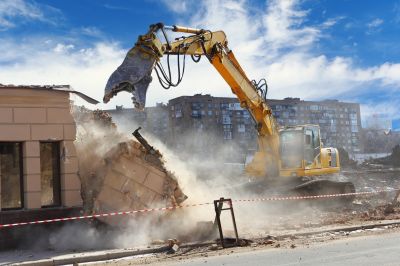 In the realm of demolition services, having the right equipment is essential for ensuring efficiency, safety, and precision. Whether tearing down a structure or removing stubborn materials, professionals rely on a variety of tools and machinery designed specifically for demolition tasks. From handheld tools to heavy-duty machinery, each product plays a vital role in completing projects smoothly and effectively. Selecting the appropriate equipment depends on the scope of the job, the materials involved, and safety considerations. Properly equipped teams can minimize debris, reduce labor time, and maintain safety standards throughout the demolition process.
Top Overall Option
Heavy-Duty Hydraulic Breaker
A versatile hydraulic breaker is a key asset for demolition projects, capable of breaking through concrete, asphalt, and other tough materials. Its robust construction and adjustable settings allow operators to customize power output for different tasks, making it suitable for various scales of demolition work. Designed for compatibility with excavators, this tool enhances efficiency and safety, helping teams complete projects with precision. Its durability and ease of maintenance contribute to long-term operational readiness, making it an essential piece of equipment for professional demolition services.
Types of Products For Demolition Service
Handheld Sledgehammers
Powerful manual tools ideal for breaking small structures, tiles, or removing stubborn fixtures.
Pry Bars and Crowbars
Leverage tools essential for prying apart materials and removing nails or fasteners.
Concrete Crushers
Machines designed to crush concrete into manageable debris for easier removal and disposal.
Hydraulic Excavators
Heavy machinery equipped with attachments like buckets and breakers for large-scale demolition tasks.
Wrecking Balls
Traditional equipment used to bring down structures by swinging or dropping onto the target.
Hydraulic Breakers
Attachments for excavators that deliver high-impact force to break through concrete and rock.
Demolition Saw Blades
Specialized blades for cutting through concrete, metal, or masonry during demolition.
Dust Suppression Systems
Equipment designed to control dust generated during demolition activities, improving safety and visibility.
Safety Gear
Protective helmets, gloves, goggles, and ear protection essential for worker safety.
Debris Containers
Heavy-duty containers for collecting and transporting demolition debris efficiently.
Remote-Controlled Demolition Robots
Advanced machinery that allows for precise demolition in hazardous or hard-to-reach areas.
Hydraulic Jacks
Tools used to lift or stabilize structures during partial demolition or support work.
Scaffolding and Support Structures
Equipment to provide safe access and support during demolition projects.
Vibratory Plate Compactors
Machines used to compact debris or soil during site preparation or cleanup.
Air Compressors
Power sources for pneumatic tools used in demolition tasks.
Hydraulic Power Units
Portable units that supply hydraulic pressure to various demolition attachments.
Popular Choices
Battery-powered tools suitable for light to medium demolition tasks with increased mobility.
Electric-powered tools designed for breaking concrete and asphalt with ease.
Systems that capture dust at the source to improve site cleanliness and worker safety.
Protective gloves designed to withstand impact and abrasion during demolition work.
Portable saws ideal for cutting through metal, concrete, and masonry materials.
Attachments that allow for precise cutting and demolition of steel structures.
Specialized buckets for efficiently removing and sorting concrete debris.
Remote-operated machines for delicate or hazardous demolition tasks.
Tools that deliver rapid impacts to break up tough materials with less effort.
Compact units providing hydraulic power for various attachments and tools.
Equipment used to stabilize structures during partial demolition or renovation.
Essential safety equipment for working at heights or in unstable environments.
Heavy-duty vacuums designed to clean up debris and dust efficiently.
Power sources for tools and equipment in locations without electrical access.
Attachments for excavators used to loosen and remove debris in tight spaces.
Advanced robotic systems for precise and controlled demolition of structures.
Demolition projects often require a combination of power tools and specialized machinery to handle different phases of the work. Hand tools such as sledgehammers and pry bars are fundamental for smaller, detail-oriented tasks. For larger scale jobs, excavators, wrecking balls, and hydraulic breakers are common choices to handle more substantial structures. It is also important to consider safety gear and accessories, including protective helmets, gloves, and ear protection, to safeguard workers from potential hazards.
Choosing the right products involves evaluating their durability, ease of use, and compatibility with the specific demolition environment. High-quality equipment can enhance productivity and reduce downtime caused by equipment failure. Additionally, considering the availability of replacement parts and customer support can help maintain operational efficiency over time. When outfitting a demolition team, investing in versatile, reliable tools ensures that projects proceed smoothly and safely from start to finish.
Key Buying Considerations
- Assess the scale of your demolition project to determine the appropriate size and power of equipment needed.
- Prioritize safety features and protective gear to ensure worker safety during operations.
- Evaluate the compatibility of attachments and accessories with existing machinery or tools.
- Consider the ease of operation and ergonomic design to reduce fatigue and improve productivity.
- Check the durability and build quality of equipment to withstand demanding demolition environments.
- Review maintenance requirements and availability of replacement parts to minimize downtime.
- Determine whether the equipment is portable or requires transportation, especially for remote sites.
- Analyze noise levels of machinery to comply with local regulations and reduce disturbance.
- Factor in the availability of technical support and customer service from suppliers.
- Review safety certifications and compliance with industry standards for demolition equipment.
- Estimate the total cost of ownership, including initial investment, maintenance, and operational costs.
- Consider environmental factors such as dust suppression and containment options.
- Evaluate the versatility of equipment for use in different types of demolition tasks.
- Look into training and user manuals to ensure proper and safe operation.
- Assess the capacity for debris collection and disposal to streamline cleanup processes.